
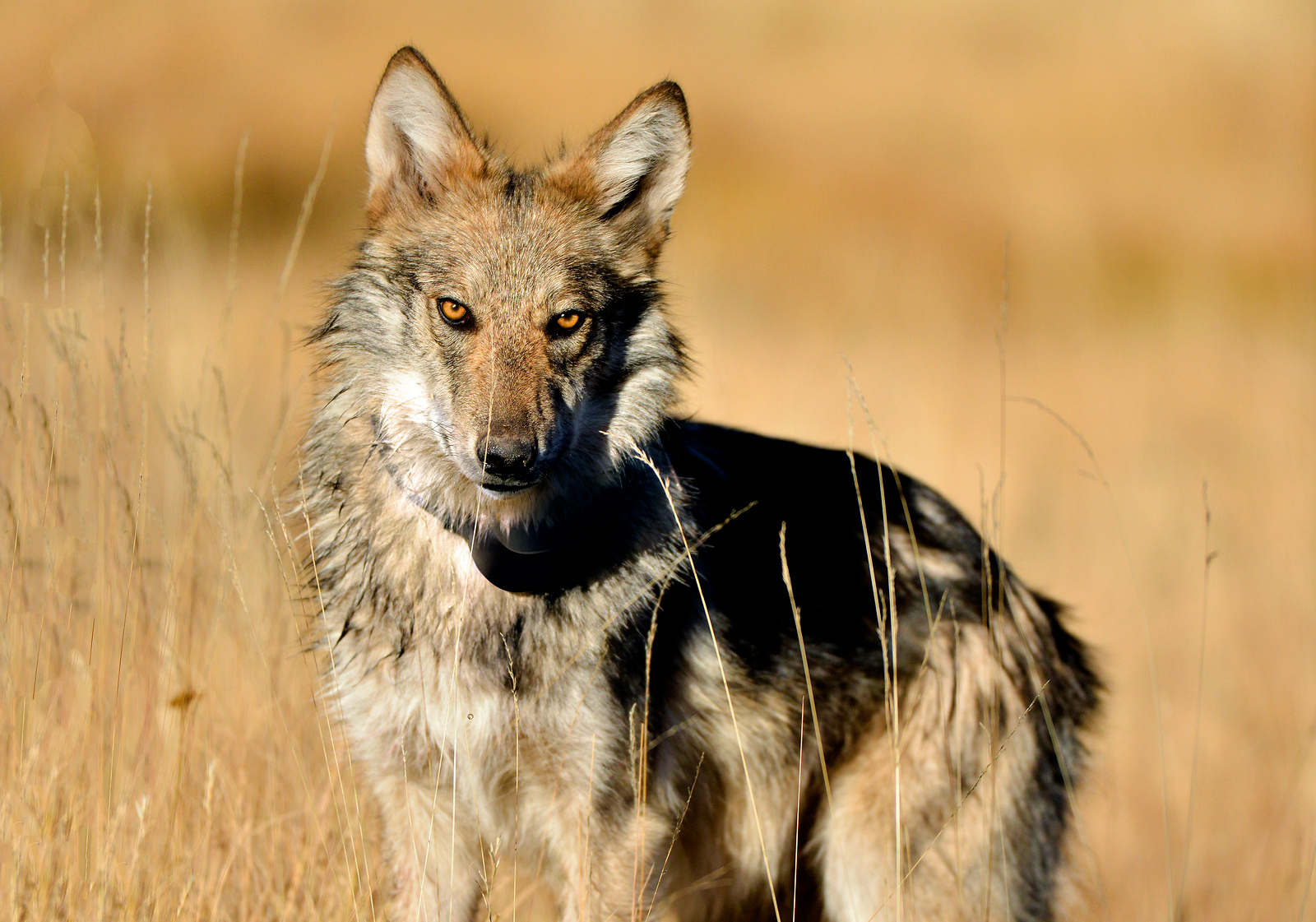
WASHINGTON- President Donald Trump has signed an executive order directing the U.S. Department of the Interior to review federal protections for gray wolves and Mexican gray wolves and determine whether either species has met the recovery criteria for delisting or downlisting under the Endangered Species Act.
The order, titled “Supporting America’s Ranchers” and signed on 4 September, gives the Interior secretary 90 days to make that determination. If the recovery criteria are found to have been met, the secretary is instructed to begin the process of delisting or downlisting the species.
The directive goes further by requiring the Interior secretary to prepare legislative recommendations for fully delisting or downlisting gray and Mexican wolves. If federal recovery criteria are met, the administration is also directed to engage with states over their own protected-species rules and standards governing the lethal removal of wolves.
The order links the review to a broader effort to protect livestock and support American ranchers. It directs the Interior and Agriculture departments to consider updating compensation rules for livestock losses caused by predators and asks Interior to consider changes that could make authorisation for lethal wolf removal more responsive in cases involving threats to livestock or human safety.
The White House described the measures as part of a “whole-of-government effort” to support the U.S. ranching industry. The wolf provisions form part of a wider package that also addresses beef processing, country-of-origin labelling and other policies as the administration seeks to respond to record-high beef prices and a U.S. cattle herd that has fallen to its lowest level in 75 years.
Ranchers have long argued that wolves can cause livestock losses, particularly among calves, while also increasing the cost of monitoring and protecting herds. Reuters reported that the wolf measures were announced alongside broader steps aimed at strengthening domestic cattle production and easing pressure on beef prices.
The directive comes amid a long-running dispute over federal wolf protections. A federal court in 2022 vacated a 2020 rule that had removed Endangered Species Act protections for gray wolves across much of the United States. The U.S. Fish and Wildlife Service subsequently reinstated protections, with gray wolves currently classified as threatened in Minnesota and endangered across all or parts of most other states where federal protections apply.
Gray wolves in Montana, Idaho, Wyoming, the eastern third of Washington and Oregon, and north-central Utah remain federally delisted under the Northern Rocky Mountains designation and were not affected by the reinstatement. The Mexican wolf, a separately listed subspecies, remains endangered under the Endangered Species Act.
Conservation organisations criticised the new order, warning that removing federal protections could undermine ongoing wolf recovery efforts. A coalition including the Center for Biological Diversity, WildEarth Guardians, the Wolf Conservation Center and others said the directive could threaten progress made in recovering Mexican gray wolf populations.
Importantly, the executive order does not itself remove Endangered Species Act protections from either gray wolves or Mexican gray wolves. It initiates a federal review and requires recommendations, with any eventual delisting or downlisting still subject to the applicable legal and regulatory processes