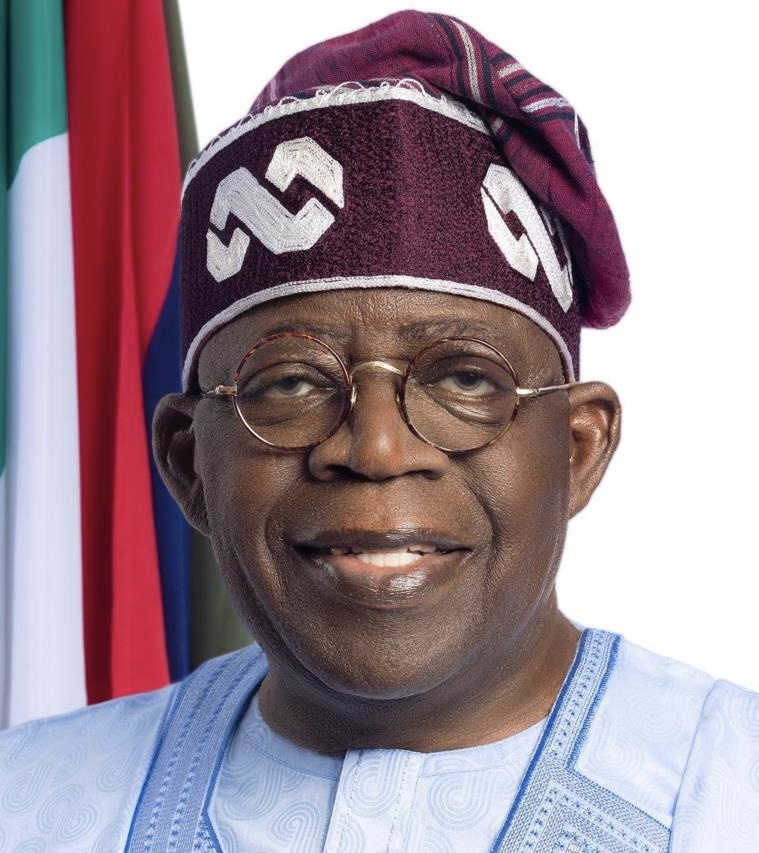
On November 7, 2026, President Bola Tinubu told supporters in Rivers State to “give me another four years,” explicitly seeking re‑election in 2027 and saying he wanted more time to deliver prosperity. During the appeal he emphasised young people’s education, welfare and skills development as central to his agenda.
Tinubu has also outlined a set of policy priorities in official statements and speeches this year. In a State House statement on October 29, 2026, he described his next‑phase economic strategy as prioritising food affordability and energy price stability, fiscal discipline, high‑impact infrastructure, regulatory efficiency, and targeted household support alongside investment in human development.
The October 29 statement further linked borrowing and infrastructure spending to broader investments in healthcare, education and vocational training, arguing these measures would expand opportunities and improve living standards.
In his Independence Day address on October 1, 2026, the president said the government would continue to strengthen primary healthcare, basic education and essential public services for poorer Nigerians, repeating commitments to bolster frontline services.
Earlier, at the unveiling of additional financing for the NG‑CARES, SOLID and HOPE programmes on July 16, 2026, the administration set out a coordinated strategy tying livelihoods, healthcare, education and social protection together. The State House said expanded cash transfers under that initiative had reached 15 million vulnerable households.
Taken together, the speeches and official statements map a policy focus that mixes economic stabilisation measures with targeted social spending and commitments to education, healthcare and skills development — themes Tinubu highlighted again when asking voters to grant him another term to complete his stated objectives.