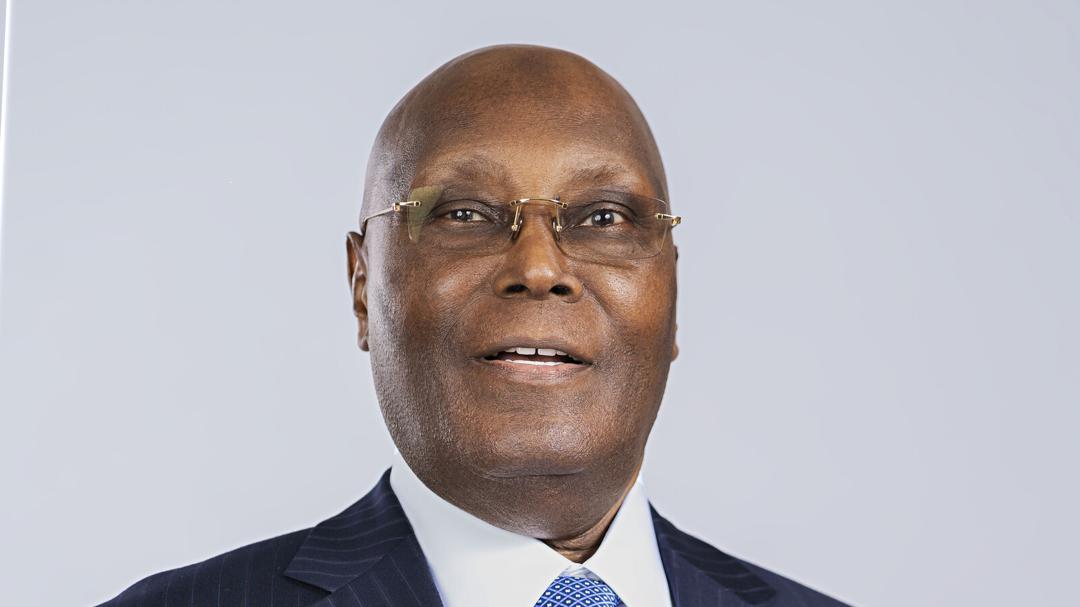
Former vice‑president Atiku Abubakar said on Wednesday in Abuja that, if elected president in 2027, he would reopen Nigeria’s land borders and develop southern ports to diversify import routes beyond Lagos.
Atiku argued that the country’s border restrictions had devastated small traders and employers, telling listeners that many young business owners with capital of about ₦10 million to ₦20 million had gone bankrupt and become unemployed as a result of the measures.
He said work on the ports plan dates back to his 2023 campaign, when he met shippers and ship‑development companies in Europe to discuss developing ports in the South‑South and South‑East so that imports would not be concentrated in Lagos.
Linking the ports proposal to inland logistics, Atiku said a container offloaded at Calabar, Uyo or Port Harcourt should be capable of reaching Yola within roughly 24 hours, underlining the need for faster, more integrated transport corridors.
Those remarks come against a backdrop of limited moves by government agencies to reopen specific crossings. The Nigeria Customs Service said its Kebbi Command reopened the Kamba border for international trade on 15 March 2024, describing the move as strategic and intended to support legitimate trade rather than facilitate illegal imports.
Customs also said the Federal Government approved the reopening of the Tsamiya border corridor, a decision announced at a stakeholders’ engagement on 7 February 2026 and presented as part of efforts to balance border security with trade facilitation.
Atiku’s pledge places border reopening and port development at the centre of his 2027 campaign platform and proposes prioritising infrastructure and logistics to alter current trade flows, while recent customs actions show selective reopenings have already begun.