Nepal accepts limited foreign rescue expertise after initial refusal as dozens of foreigners listed missing
Kathmandu reversed an August 27 decision and agreed on August 28 to accept specialist help for tunnel rescues, DNA testing and forensic work after diplomatic pressure; Nepali authorities say the army is leading operations coordinated through 12 response teams.
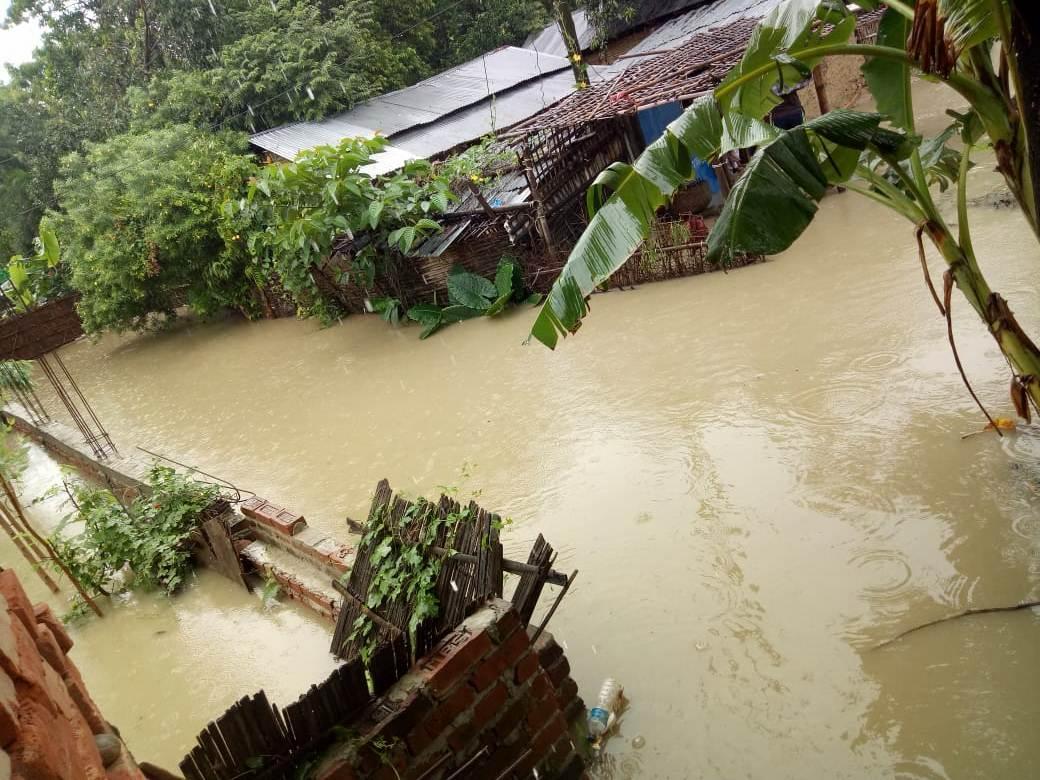
Nepal has agreed to accept limited international assistance for flood rescue operations after initially declining foreign teams, officials and media reports show. On August 27 Kathmandu told foreign governments it could handle search-and-rescue operations with its own security agencies, but reversed that stance the following day. The Kathmandu Post reported on August 28 that, following diplomatic pressure from countries whose citizens were missing, Nepal agreed to take on foreign expertise specifically for tunnel rescues, DNA testing and forensic examinations. The Kathmandu Post also reported that Nepal Tourism Board records listed 517 foreign nationals from 31 countries as missing, including 33 people from the United Kingdom. The scale of the disaster was underscored by a separate Associated Press report on August 29, which said nearly 3,000 people were missing in the flood-affected Nepal–China border region. Nepal’s foreign minister, Shisir Khanal, said on August 29 that Nepal had not rejected international rescue assistance. He told media that a specialised Indian tunnel rescue team had already arrived and that two Chinese search-and-rescue teams were preparing to deploy, the Kathmandu Post reported. Domestically, Nepal’s disaster authority said rescue, relief and rehabilitation work was being coordinated through 12 teams under the Rasuwa Flood Response Committee, with the Nepali Army leading search, rescue and relief operations, according to a Kathmandu Post account on August 27. The sequence of decisions — an initial refusal of foreign help, then a limited acceptance for specialist roles — reflects diplomatic pressure from states with nationals reported missing, the Kathmandu Post said. Officials have described the operation as involving both national agencies and incoming specialist teams, while Nepali forces continue to coordinate the wider response from bases in affected areas through the multi-team committee. · Thapaliyashreeram/Wikimedia Commons
Nepal has agreed to accept limited international assistance for flood rescue operations after initially declining foreign teams, officials and media reports show.
On August 27 Kathmandu told foreign governments it could handle search-and-rescue operations with its own security agencies, but reversed that stance the following day. The Kathmandu Post reported on August 28 that, following diplomatic pressure from countries whose citizens were missing, Nepal agreed to take on foreign expertise specifically for tunnel rescues, DNA testing and forensic examinations.
The Kathmandu Post also reported that Nepal Tourism Board records listed 517 foreign nationals from 31 countries as missing, including 33 people from the United Kingdom.
The scale of the disaster was underscored by a separate Associated Press report on August 29, which said nearly 3,000 people were missing in the flood-affected Nepal–China border region.
Nepal’s foreign minister, Shisir Khanal, said on August 29 that Nepal had not rejected international rescue assistance. He told media that a specialised Indian tunnel rescue team had already arrived and that two Chinese search-and-rescue teams were preparing to deploy, the Kathmandu Post reported.
Domestically, Nepal’s disaster authority said rescue, relief and rehabilitation work was being coordinated through 12 teams under the Rasuwa Flood Response Committee, with the Nepali Army leading search, rescue and relief operations, according to a Kathmandu Post account on August 27.
The sequence of decisions — an initial refusal of foreign help, then a limited acceptance for specialist roles — reflects diplomatic pressure from states with nationals reported missing, the Kathmandu Post said.
Officials have described the operation as involving both national agencies and incoming specialist teams, while Nepali forces continue to coordinate the wider response from bases in affected areas through the multi-team committee.
Get the next important story
Subscribe to The White-Eagles Post for selected headlines and major developments.