Nigeria’s Medium-Term National Development Plan for 2026–2030 includes a target of achieving a $1 trillion economy by 2030. The dollar-denominated objective is contained in the framework for the plan’s five-year period.
The target was set out in an official announcement on 10 April 2026. It places a measure of the economy’s size at the end of the plan period, rather than setting out a quarterly growth benchmark. The MTNDP 2026–2030 is the planning framework in which the 2030 objective is incorporated.
World Bank analysis has highlighted the scale of growth required to meet the aspiration. The Bank said Nigeria would need to grow at about five times its recent rate to reach a $1 trillion economy by 2030, on the assumption that there is no exchange-rate change.
That condition is central to the Bank’s assessment because the stated target is expressed in US dollars. Its analysis links the 2030 aspiration to a substantially faster pace of expansion than Nigeria’s recent growth rate, while retaining the no-change exchange-rate assumption.
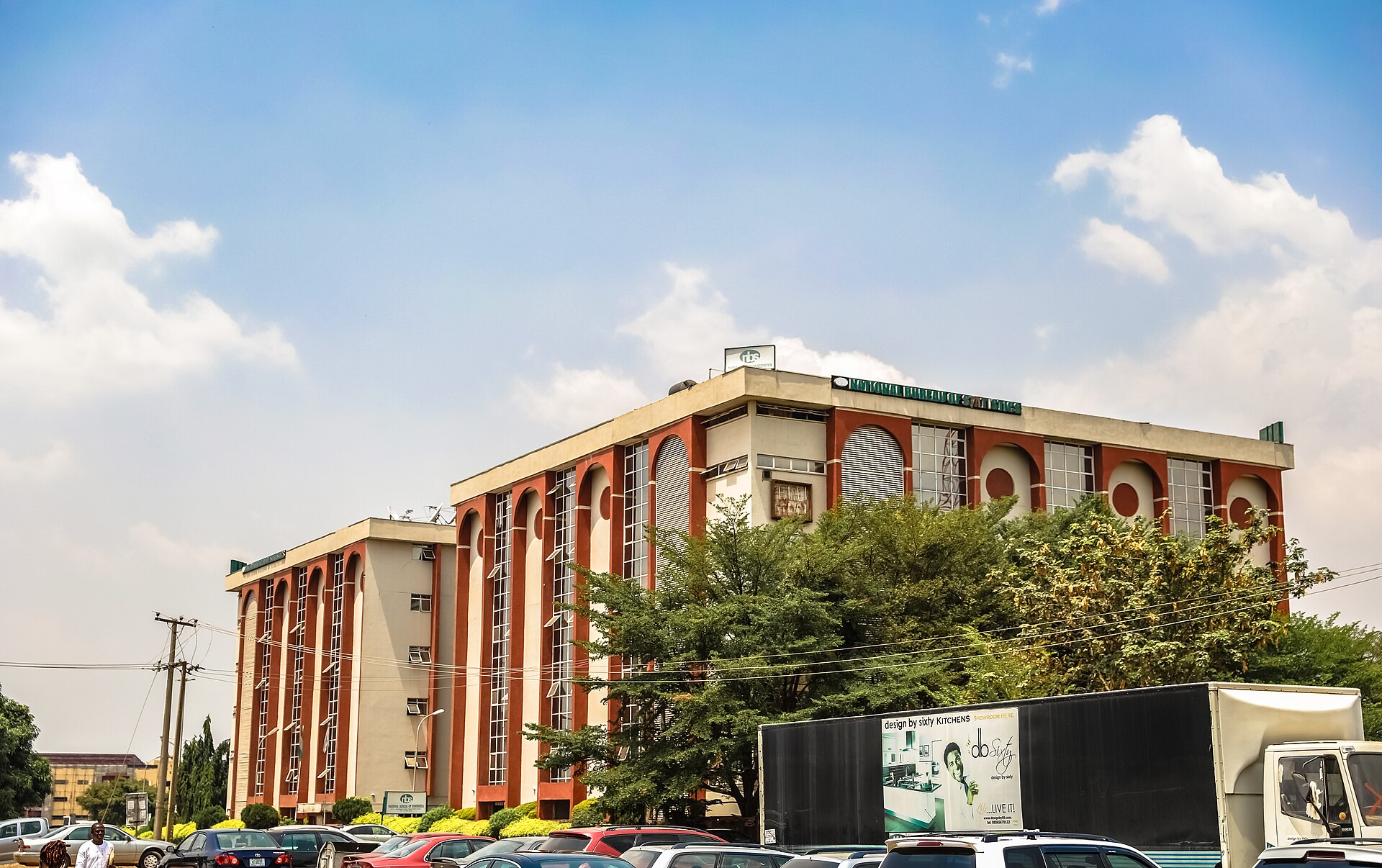
Separate quarterly data show that real gross domestic product grew by 4.43% year-on-year in the second quarter of 2026, according to Nigeria’s National Bureau of Statistics. The figure measures real GDP growth over the corresponding quarter a year earlier.
The quarterly result and the 2030 target refer to different measures and timeframes: the NBS figure is a year-on-year real GDP growth reading for the second quarter of 2026, while the MTNDP objective is a dollar-denominated economic-size target for 2030. The World Bank’s assessment states that reaching the stated aspiration would require growth at about five times the recent rate, assuming no exchange-rate change.